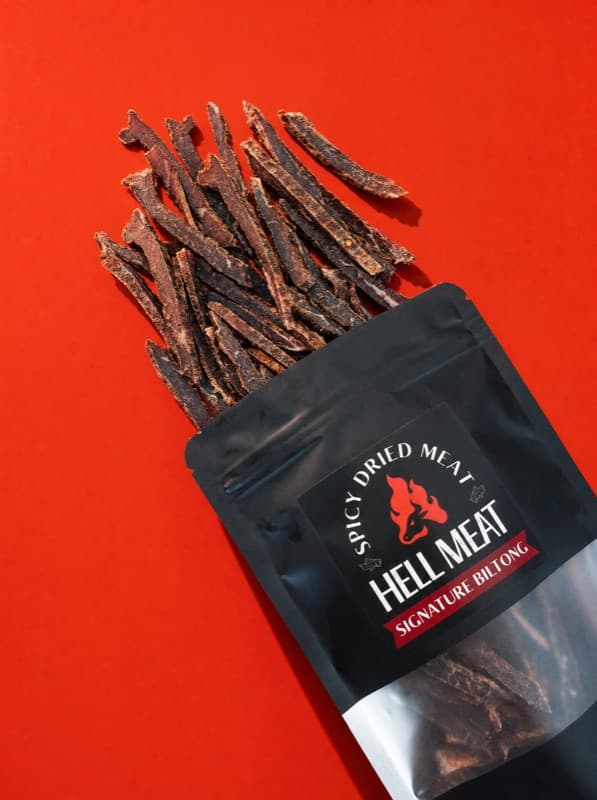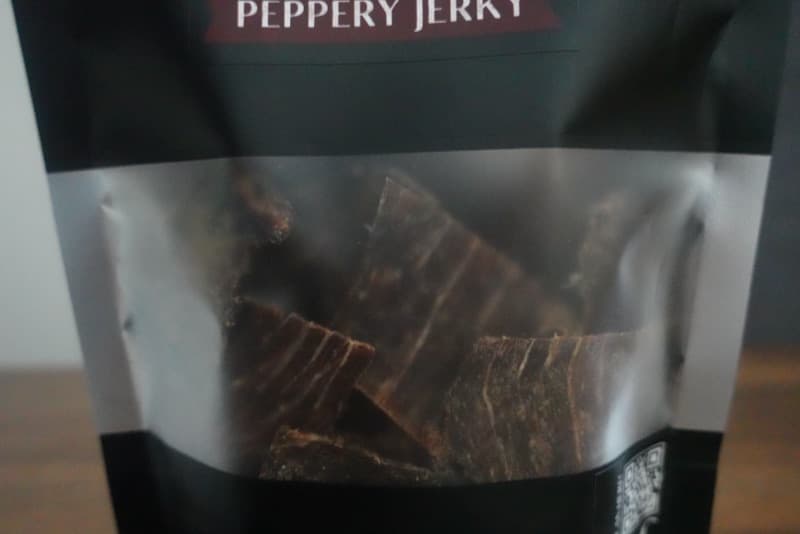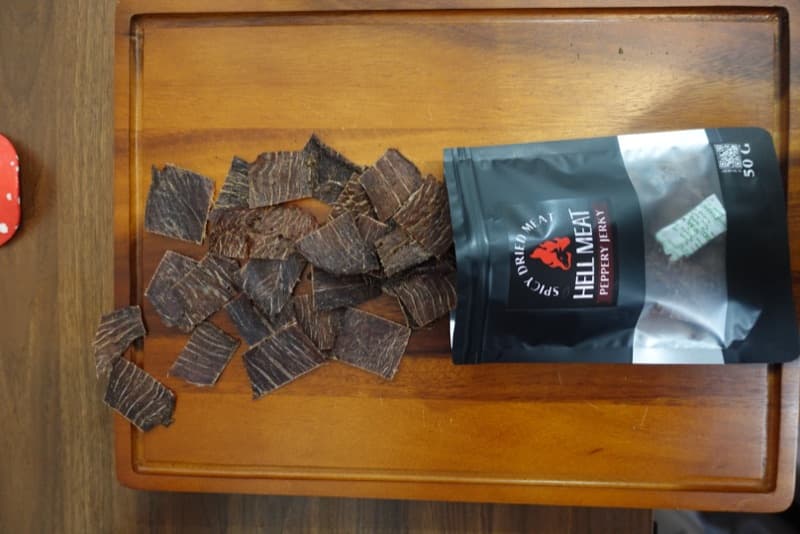
If you have ever turned over a bag of snacks and asked what is MSG doing in nearly everything on the shelf, you are not the only one. MSG, short for monosodium glutamate, is the workhorse additive that mass-market snacks lean on to fake the deep, savoury hit that real beef delivers on its own. At Hell Meat we leave it out on purpose, and this is the plain-language version of why.
What is MSG, in plain language
MSG is the sodium salt of glutamic acid, an amino acid that occurs naturally in foods like tomatoes, aged cheese, mushrooms, and cured meat. On its own, glutamate is what your tongue reads as umami, the rich, mouth-filling "savoury" taste that sits alongside sweet, sour, salty, and bitter. Food scientists isolated and crystallised it about a century ago, and the white powder that resulted is what shows up on labels as monosodium glutamate.
In other words, MSG is not some exotic chemical. It is a concentrated, factory-made dose of a flavour compound that beef already carries. The difference is that a snack maker can pour it into anything for pennies, and it makes even bland, low-quality ingredients taste like they have more going on than they do.
Why mass-market snacks lean on MSG
Cost is the honest answer. When a factory is running huge volumes of cheap trimmings, reconstituted meat, or paper-thin slices pumped with marinade, the raw ingredient does not taste like much. MSG papers over that gap.
There are a few reasons it is everywhere:
- It is cheap and a little goes a long way.
- It makes low-grade or heavily processed meat taste richer than it is.
- It delivers a consistent flavour across millions of identical packs.
- It lets brands cut back on actual meat and still hit a "tasty" benchmark.
None of that is illegal or even unusual. But it tells you something: if a snack needs a flavour enhancer to taste of beef, it is worth asking how much real beef is in there to begin with. That is the same question worth asking about sugar, which is why sugar-free jerky is a useful thing to look for on the same label.
Is MSG bad for you?
This is where honesty matters more than hype. Major food-safety regulators class MSG as generally safe to eat, and the old "Chinese restaurant syndrome" scare was never backed by solid evidence. Some people do report that they feel sensitive to it, with symptoms like headache or flushing, and if that is you, avoiding it is a perfectly reasonable choice. We are not doctors and we are not making medical claims either way.
Here is the practical point we care about. MSG is a source of sodium, and cured beef snacks are already salted by nature of how they are made. Stacking added flavour enhancer on top of a salt-cured product is not something we want to do. Leaving MSG out keeps the ingredient list shorter and puts the flavour work back on the beef, where we think it belongs.
How Hell Meat gets flavour without MSG
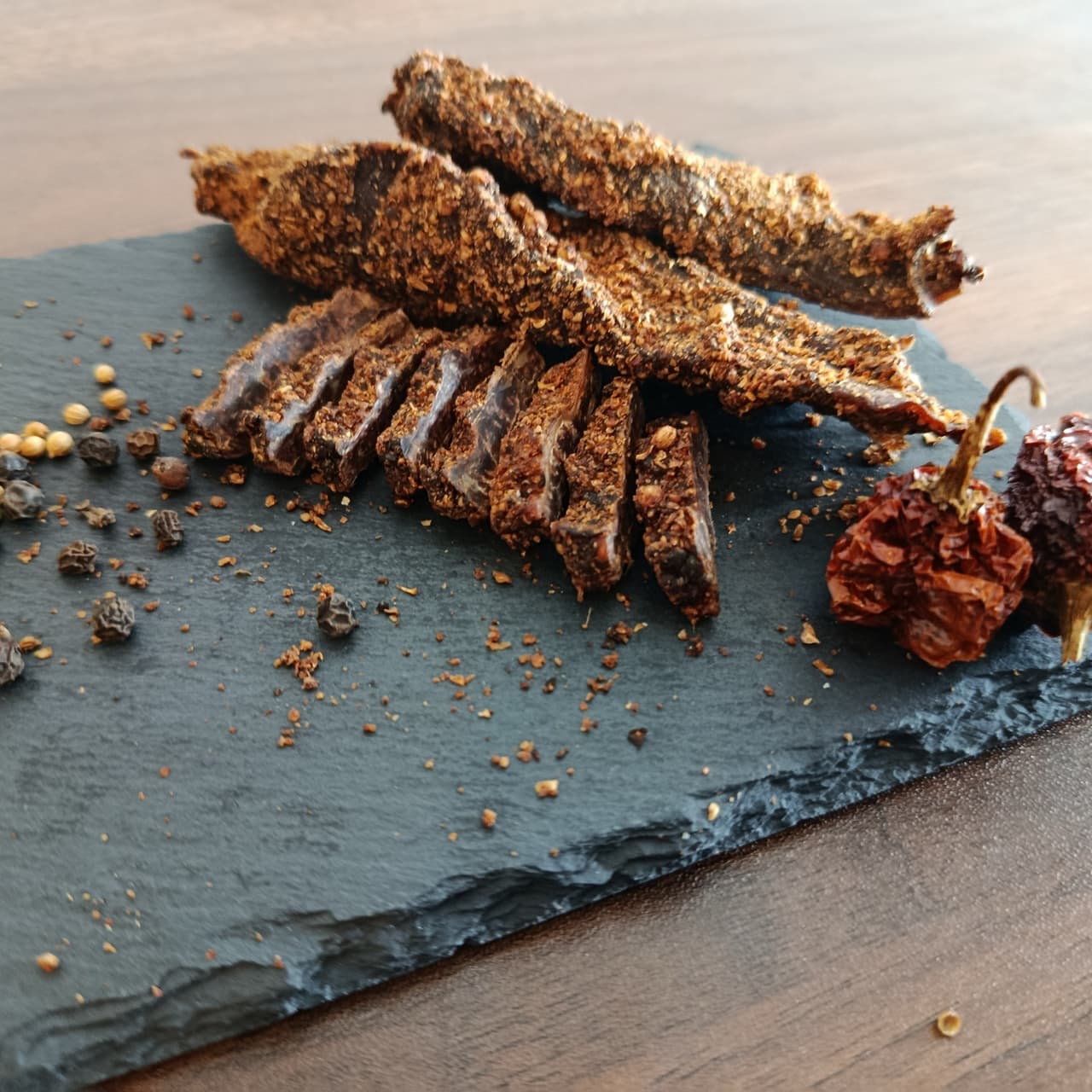
The short version: start with better beef, then do less to it. Our snacks are made from single-source Thai-French Charolais beef, which is lean and genuinely beefy on its own. Air-drying and curing concentrate that flavour rather than masking it, so the umami you taste comes from the meat, not a powder.
The rest is a simple brine, not a chemistry set:
- Real beef as the base, so there is natural glutamate to build on
- Vinegar and salt to cure and preserve, the traditional biltong way
- Black pepper for the smoky, mild Peppery Jerky
- Carolina Reaper, the world's hottest chili at over 1.5 million Scoville Heat Units, for the spice-forward Signature Heat
That is it. No flavour enhancer, no MSG, no mystery. If you want to see exactly how little goes into a proper batch, we break it all down in the short ingredient list you can actually read.
What to look for on a label
MSG does not always announce itself with three tidy letters. On packaging it can appear under several names, and knowing them helps you shop for yourself:
| On the label | What it means |
|---|---|
| Monosodium glutamate | MSG by its full name |
| E621 or flavour enhancer 621 | The additive code for MSG |
| Yeast extract, autolysed yeast | Glutamate-rich ingredients used to add umami |
| Hydrolysed vegetable protein | Another savoury booster with free glutamate |
None of these are dangerous, but they are all signs that the flavour is being built in the mixing bowl rather than coming from the meat. A clean beef snack should read like a recipe, not a lab order. If you are new to the category and want the basics first, it helps to understand what beef jerky really is before you compare ingredient lists.
The takeaway
MSG is not evil, but it is a shortcut, and shortcuts usually mean the raw ingredient could not carry the dish on its own. Hell Meat is built the other way around: good Thai-French Charolais beef, a traditional brine, real chili, and nothing added to fake what the beef already does. If you want to taste the difference a clean ingredient list makes, grab a pack and read the back before you open it.