Biltong vs jerky is the snack-aisle debate that trips up even serious meat lovers. Both are dark, dried strips of beef in a resealable pouch, but they are made in completely different ways, and that difference shows up in texture, sugar, and how much clean protein you actually get. Here is the honest, side-by-side breakdown, without the marketing gloss.
Biltong vs jerky: the one difference that matters
Strip everything else away and the real distinction is simple: jerky is cooked, biltong is cured.
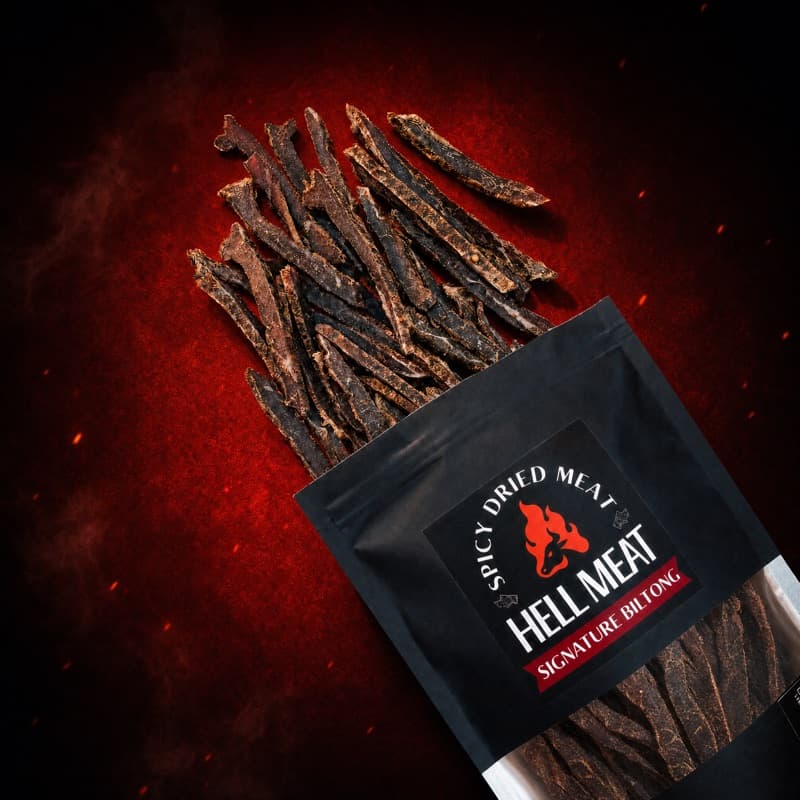
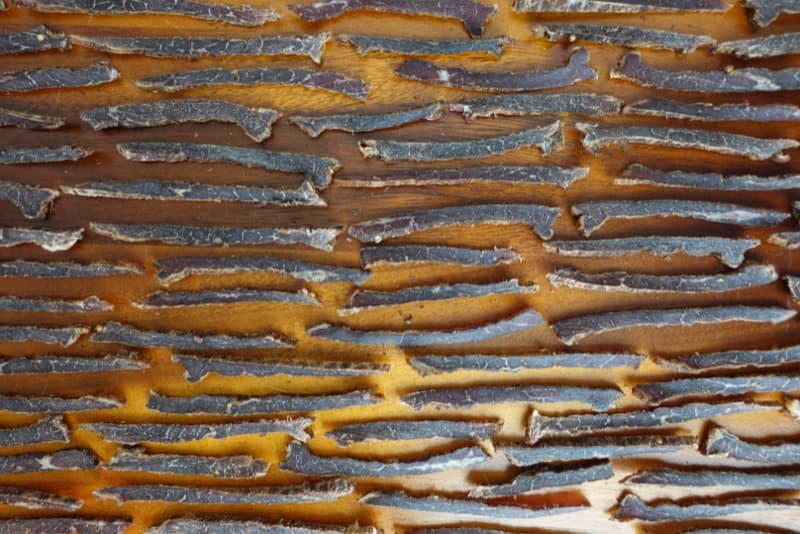
Jerky starts with thin slices of beef that are marinated and then dried with heat, usually in a low oven or a dehydrator running warm enough to cook the meat as it dries. Biltong takes a different route. Whole strips of beef are soaked in a vinegar-and-spice brine, then hung to air-dry at cool temperatures over several days. The meat is never cooked. The vinegar and salt do the preserving; time and airflow do the drying.
That single fork in the road, heat versus air and cooking versus curing, explains almost every other difference on this page. If you want the full picture of the air-dried side, we cover what biltong actually is in its own guide.
Air-drying vs heat: what the method does to the meat
Cooking meat quickly at higher temperatures firms up the proteins and drives off moisture fast. That is why classic jerky is chewy, sometimes tough, and can carry a slightly roasted or smoky flavor.
Air-drying is gentler. Because biltong dries slowly at low temperature, the beef keeps a more tender, sliceable texture and a deeper, beefier taste. The slow way biltong is made, brine then hang then wait, is closer to how prosciutto or a cured sausage is produced than to anything cooked. It takes longer, but the payoff is a snack that tastes like beef rather than like smoke flavoring.
Sugar, salt, and the ingredient list
Here is where the two really split.
Most mass-market jerky is built on sugar. Brown sugar, honey, or corn syrup goes into the marinade to balance the salt and soy, so a typical pouch can carry several grams of sugar per serving. It is also common to see MSG, nitrites, and a long list of additives you would need a chemistry degree to pronounce.
Traditional biltong needs far less. The core recipe is beef, vinegar, salt, and spice, and that is the whole list. The vinegar handles preservation, so there is no need for added sugar at all. If you want to understand why that matters for your macros and your cravings, sugar-free jerky is worth a closer look.
That said, biltong is still a salted, cured product, so sodium is real. It is a savory snack to enjoy in sensible portions, not a free pass.
| Biltong | Typical jerky | |
|---|---|---|
| Method | Cured, air-dried | Marinated, cooked with heat |
| Cut | Whole strips | Thin slices |
| Preservation | Vinegar and salt | Heat, often sugar or nitrites |
| Added sugar | None (traditional) | Common, several grams |
| Texture | Tender, sliceable | Chewy, firm |
Texture and taste: how you actually eat them
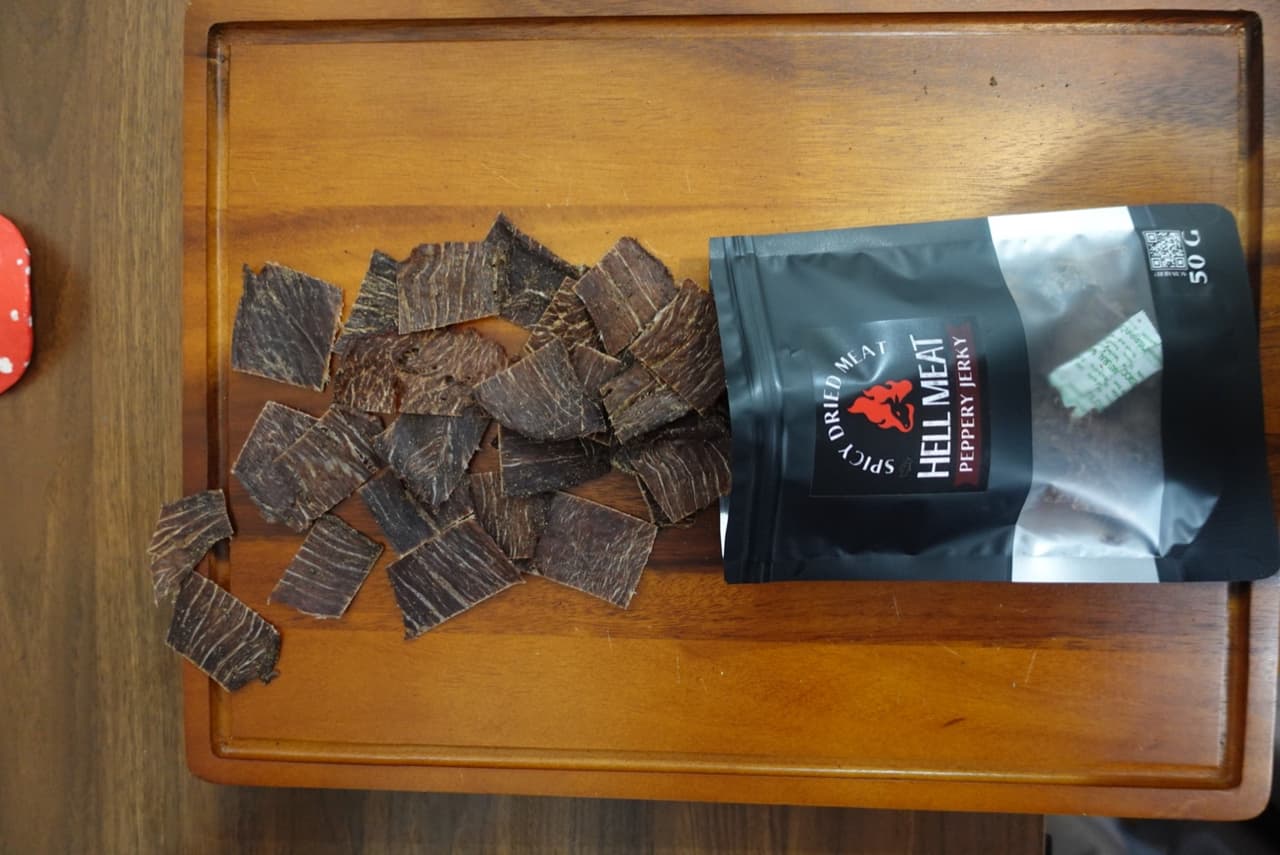
Jerky is a workout for your jaw, and that chew is part of the appeal for a lot of people. Biltong is softer and comes in shavings or thin slices you can eat by the handful. Neither is better in the abstract, but they suit different moods. Jerky is a long, slow chew; biltong is a fast, clean protein hit that disappears before you notice.
Flavor-wise, cooked jerky often leans on smoke and sweetness, while air-dried biltong lets the beef and spice lead. If you like tasting the meat itself, biltong wins. If you love a sweet-savory, smoky chew, jerky still has its place.
Protein density: which packs more?
Both are protein-dense because drying concentrates the beef, so you are eating far more meat by weight than the pouch suggests. Biltong is often roughly half its weight in protein, landing around 25 to 30 grams of protein in a 50g serving. Jerky sits in a similar ballpark, but the sugar and marinade in many brands nudge the ratio down slightly and add carbs you may not want.
The takeaway: for clean, low-carb, high-protein snacking, biltong usually gives you more of what you came for and less of what you did not.
Which should you choose?
You do not actually have to pick a side. At Hell Meat we make both, done the clean way, with no sugar, no MSG, and single-source Thai-French Charolais beef:
- Signature Heat is biltong with Carolina Reaper, the world's hottest chili at over 1.5 million Scoville Heat Units, for people who want their protein with a serious kick.
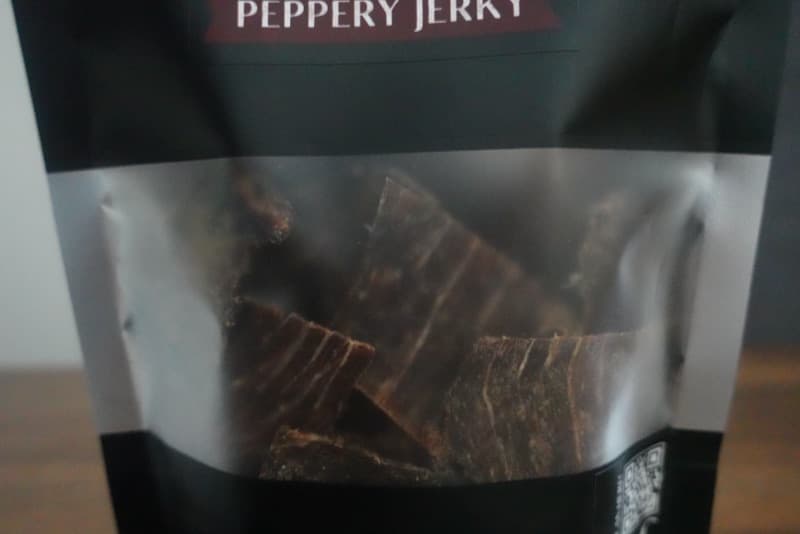
- Peppery Jerky is black pepper jerky, smoky and mild, for a broad-appeal chew that still skips the junk.
So the biltong vs jerky question is less about which one is objectively healthier and more about which experience you are in the mood for: tender and beef-forward, or a firm, peppery chew.
Whichever camp you fall in, you can grab a pack and taste the difference for yourself.