When people search for high protein snacks, they usually want the same thing: something that closes the gap between meals, actually holds them over, and does not arrive buried under sugar and a novel-length ingredient list. The trouble is that plenty of foods marketed as "protein" are really carbohydrate wearing a protein costume. This is a practical guide to the snacks that earn the label, how much protein each one really delivers per serving, and where clean air-dried beef quietly beats the field.
What actually makes a snack high in protein
A useful rule of thumb: a snack is genuinely high in protein when protein is the dominant macronutrient by calories, not just present in trace amounts. A cereal bar with 4g of protein and 30g of carbohydrate is a carb snack. A 50g portion of biltong with 25 to 30g of protein and almost no carbohydrate is a protein snack.
Two things matter more than the number on the front of the pack:
- Protein density — grams of protein relative to total calories. Lean, dried meat scores extremely well here because drying removes water and concentrates what is left.
- Satiety — how long it keeps you full. Protein, and to a lesser extent fat, is far more filling per calorie than refined carbohydrate, which is why a protein-forward snack can steady you through a long afternoon better than a biscuit.
If you want the full macro breakdown for one of the densest options, we lay it out in biltong nutrition facts.
The best high protein snacks, ranked by protein per serving
No single snack is right for everyone, but if you rank common options by how much protein they deliver in a normal serving, a clear order appears. The figures below are typical ranges, not exact label values, since brands and portions vary.
| Snack | Typical serving | Rough protein | Notes |
|---|---|---|---|
| Biltong / air-dried beef | 50g | 25-30g | Very high density, no sugar, portable |
| Beef jerky | 50g | 20-25g | High, but often sweetened |
| Greek yogurt (plain) | 170g | 15-18g | Great, but needs a fridge |
| Boiled eggs | 2 eggs | 12-13g | Cheap, but messy on the go |
| Edamame | 100g | 11g | Solid plant option |
| Cheese | 30g | 7-8g | Tasty, higher in fat |
| Mixed nuts | 30g | 5-6g | More fat than protein |
| Typical protein bar | 1 bar | 10-20g | Varies wildly, often sugary |
The standout pattern is that dried beef sits at the top on protein density while staying low in carbohydrate. Two boiled eggs are excellent value but do not travel; yogurt needs cold storage; nuts are really a fat snack. That is why so many people who track their intake keep a bag of biltong within reach.
Why air-dried beef wins on protein density
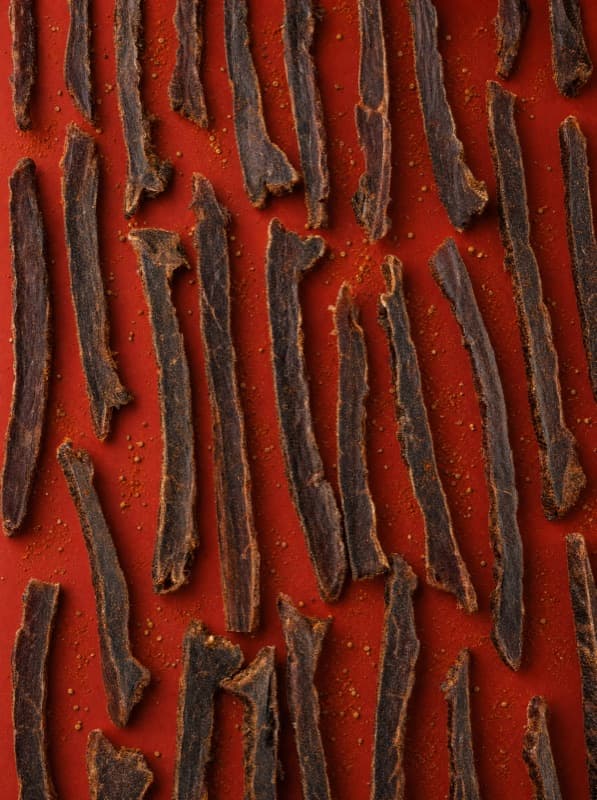
Drying is what makes the difference. When you remove most of the water from lean beef, the protein that remains is packed into a much smaller, lighter piece. That is why biltong ends up roughly half its weight in protein, landing around 25 to 30g in a 50g serving depending on the cut. You get a serious protein hit in something that fits in a pocket, needs no refrigeration, and leaves no greasy fingers.
It also wins on what is not there. A proper batch is just beef, vinegar, salt, and spice, with no added sugar and no MSG. Compare that to many bars and sweetened jerkies, where sugar does a lot of the flavour work. If you want that head-to-head, we cover it in biltong vs protein bars.
Matching snacks to when you actually eat them
The best high protein snack changes with the moment:
- At your desk — you want clean, one-handed, and no sugar crash. Dried beef or a small piece of cheese beats a muffin.
- Around training — protein supports recovery, and a portable option you will actually eat matters more than a perfect one you leave at home. We go deeper on this in snacks for building muscle.
- Travelling — shelf-stable wins. Biltong, jerky, and roasted chickpeas survive a backpack; yogurt and eggs do not.
- Late-night cravings — a savoury protein snack tends to satisfy without the sugar spike that can leave you hungrier an hour later.
A simple building block
You do not need to overthink it. Pick one dense protein (dried beef, eggs, yogurt), add one whole-food extra if you are hungry (a handful of nuts, some fruit, a few vegetables), and you have a snack that does its job without a mystery ingredient list.
The honest caveat: salt and portions
High protein does not mean unlimited. Biltong and jerky are salted, cured products, so they carry meaningful sodium, and a 50g serving is a sensible portion rather than a whole bag in one sitting. Cheese and nuts are calorie-dense from fat. None of this makes them bad choices; it just means a high-protein snack is still a snack, and portion size still counts. If you are watching sodium for any medical reason, it is worth asking your doctor how cured meat fits into your day.
The short answer
The best high protein snacks are the ones that deliver real protein, keep you full, and fit your life without a sugar hit, and by protein density, air-dried beef is near the top of that list. It is high in protein, low in carbohydrate, genuinely portable, and clean enough to read the label out loud.
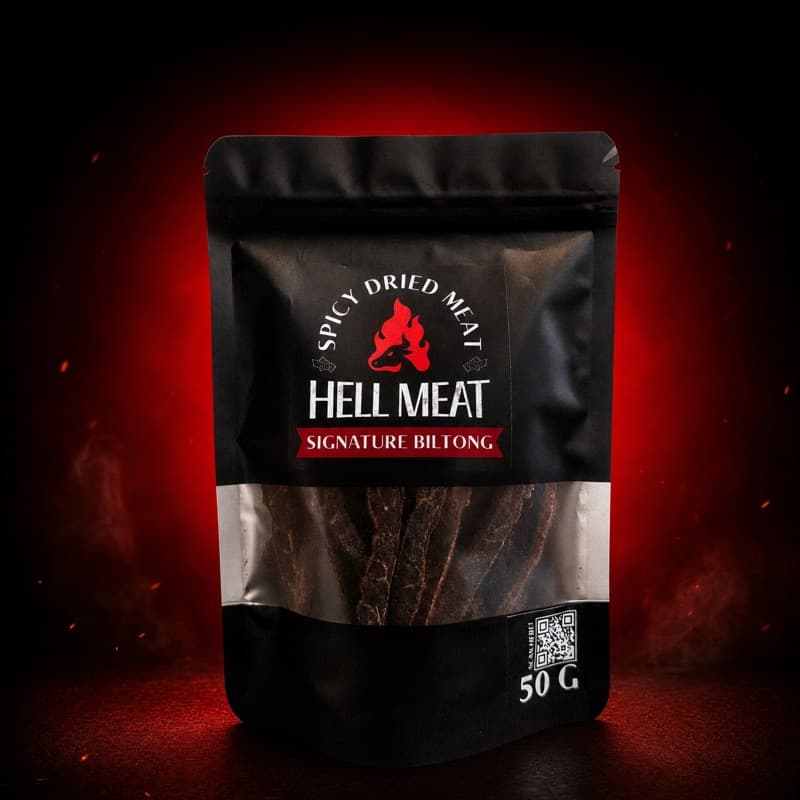
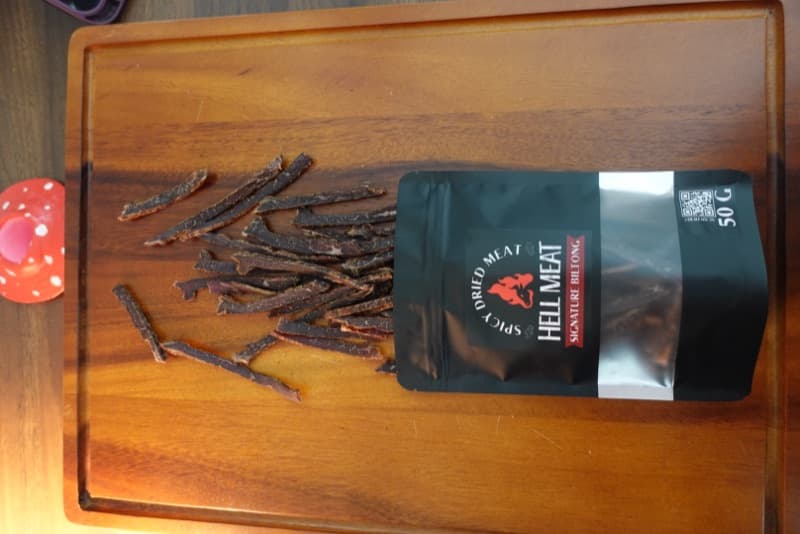
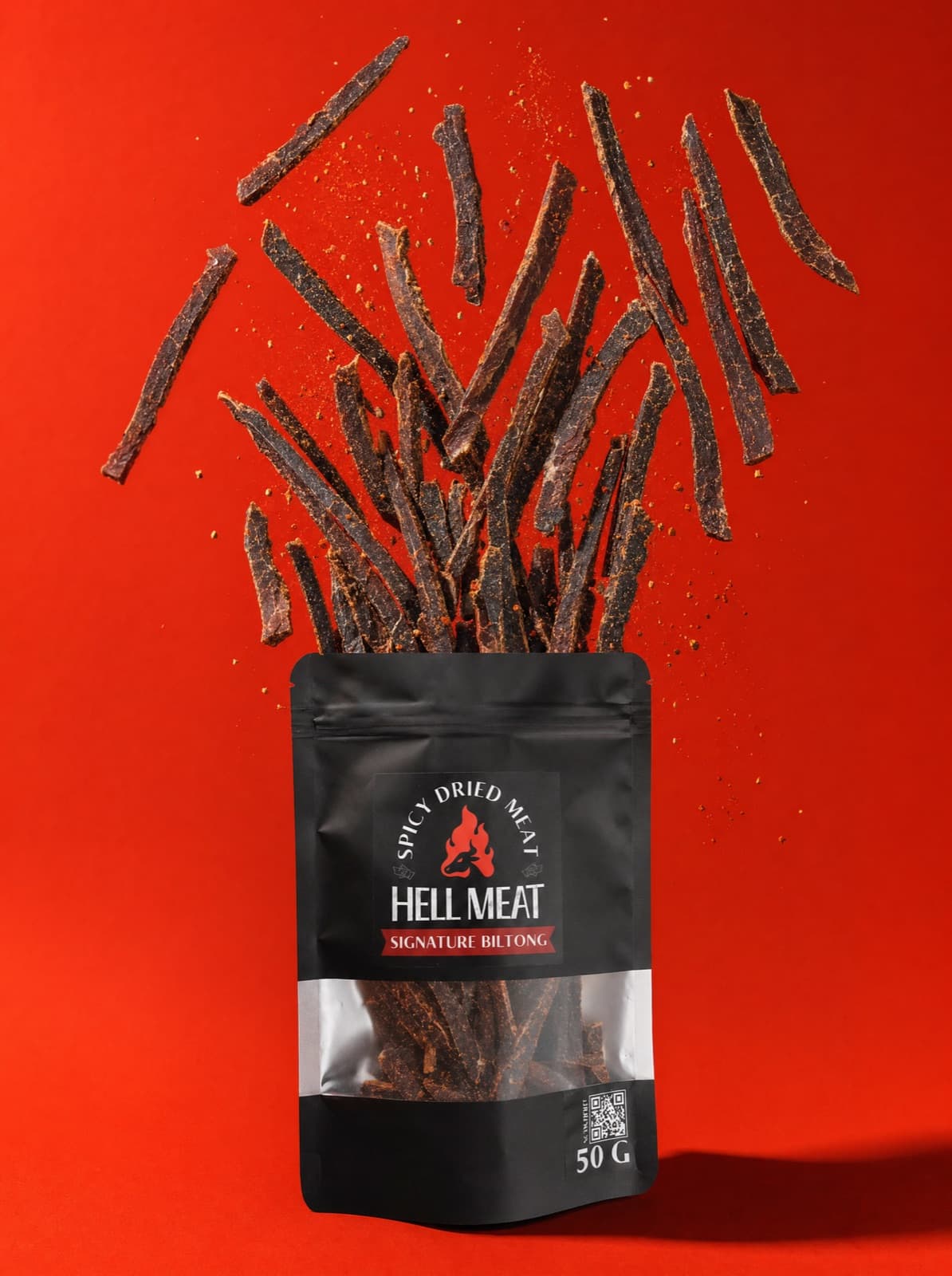
If you want a protein snack that tastes like actual beef instead of a sweetened bar, try Signature Heat or start mild with our Peppery Jerky. Same honest protein either way, with as much or as little heat as you like.