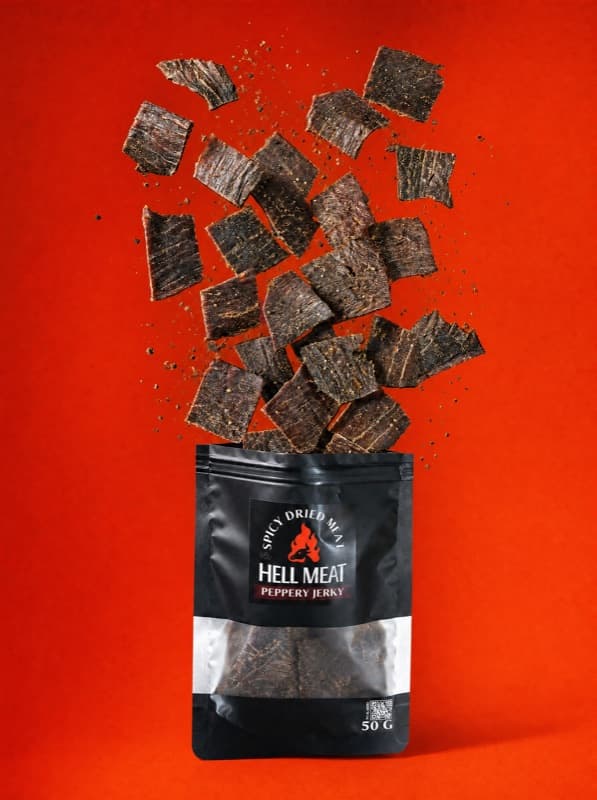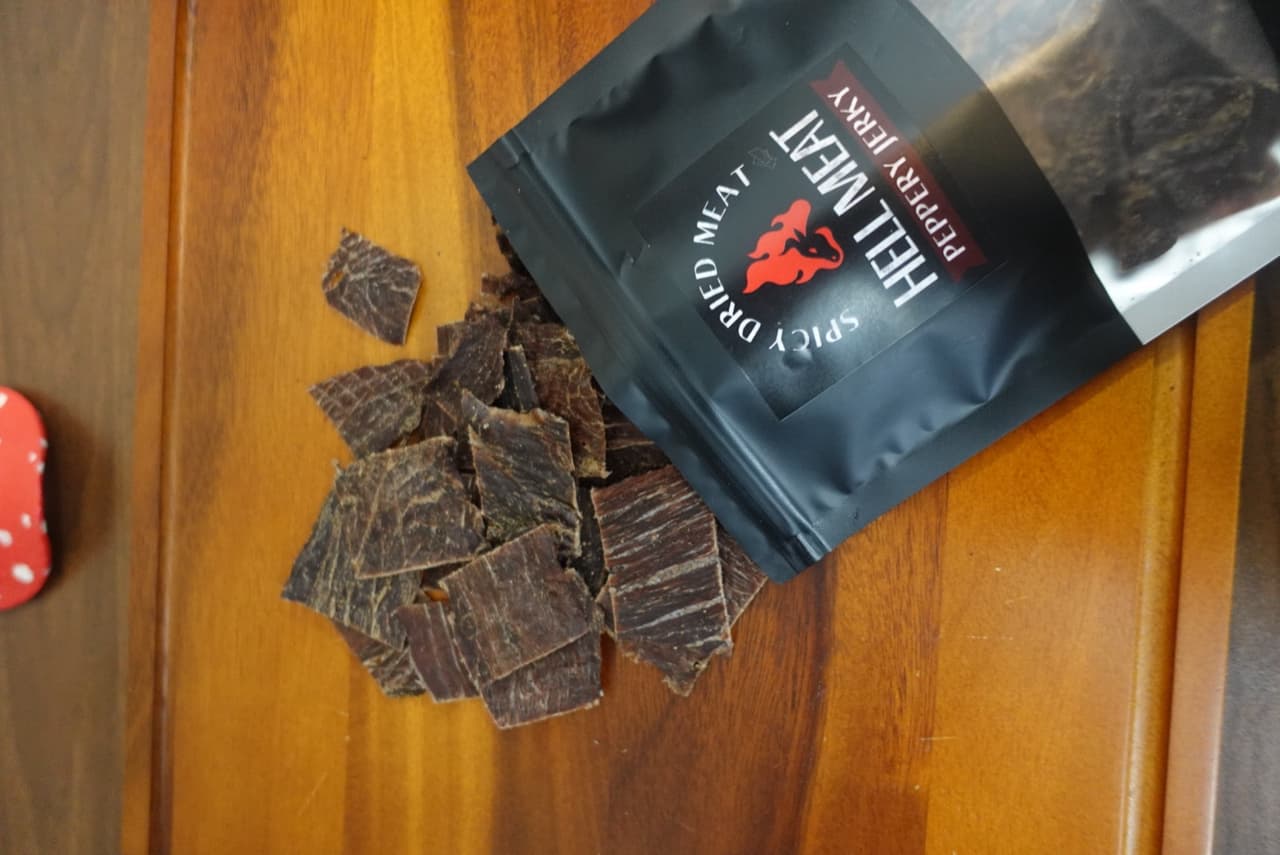
Cooking with biltong is one of those small kitchen tricks that feels a little like cheating. Because it is already dry-cured, seasoned, and concentrated, a handful of shaved Hell Meat biltong behaves less like a snack and more like a pantry weapon, the same way bacon, anchovy, or aged parmesan quietly deepen a dish. Treat it as a finishing ingredient rather than the main event, and it punches far above its weight.
Below are the ways we actually use it in the Hell Meat kitchen: fast egg upgrades, fried rice and pasta, salads and soups, and a few Thai twists that lean into the spice.
Why cooking with biltong works
Biltong is whole-muscle beef with more than half its water removed. That gives you three things a fresh cut cannot: concentrated beef flavor, a built-in savory-salty seasoning, and real chew. It is also fully cured and ready to eat, so you are never cooking it for safety, only for texture and to release its aroma into whatever it touches.
The practical upshot: think of biltong as a seasoning that happens to be beef. A little goes a long way, and because it is salt-cured, you usually want to ease off the added salt in the rest of the dish and taste before you reach for more. Shave it thin or crumble it, add it late, and let it do the heavy lifting.
Start with eggs: the fastest win
Eggs are the easiest place to begin cooking with biltong, because their soft, mild base is the perfect canvas for a salty, chewy hit of beef.
- Scrambled eggs. Fold thin slivers in during the last thirty seconds so they warm through without turning tough.
- Omelette or Thai khai jiao. Scatter crumbled biltong into the egg just before you fold or fry. Peppery Jerky brings a smoky, black-pepper note that suits eggs beautifully.
- Over congee (jok). A classic Thai breakfast bowl gets a protein and umami lift from biltong shaved on top at the table, in place of, or alongside, minced pork.
If breakfast is where this idea grabs you, we go deeper in our guide to high-protein biltong breakfast ideas.
Fried rice, noodles, and pasta
This is where biltong earns its keep as a Thai-kitchen ingredient.
- Khao pad (fried rice). Swap or supplement your usual protein with biltong shavings tossed in near the end. You get a drier, smokier chew and deeper beef flavor than fresh meat gives, and because the biltong is already seasoned, you need less fish sauce and salt.
- Stir-fried noodles. In a pad see ew or pad kee mao style dish, add crumbled biltong in the final minute so it stays chewy rather than going leathery in the wok's heat.
- Pasta. Peppery Jerky shaved over a simple cacio e pepe or a garlic-and-oil spaghetti works like a cured-beef version of guanciale: salty, peppery, and rich without a heavy sauce.
The one rule across all three: add the biltong late. High, prolonged heat toughens it, and you lose the tender chew that makes it worth using.
Salads, soups, and finishing touches
Because it needs no cooking, biltong is a natural finishing ingredient, added at the very end for texture, salt, and aroma.
- Salads. Shave it over a green salad, a tomato-and-herb plate, or a Thai-leaning larb-style bowl for protein and crunch without croutons or a heavy dressing. We have a whole piece on turning it into a protein upgrade for your salads.
- Soups and broths. Float a few shavings over a clear soup or a rich noodle broth in the last moment. The beef aroma blooms in the steam, and the biltong softens just enough while keeping some bite.
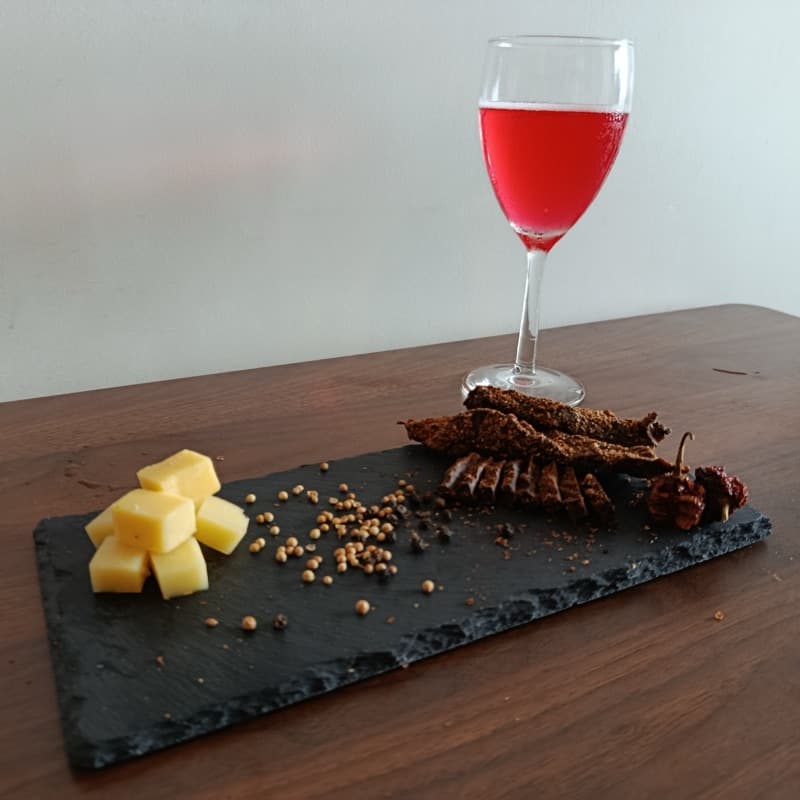
- Toast and snack plates. Pile shaved biltong onto avocado toast, or serve it as-is alongside cheese and fruit when people drop by.
Turn up the heat with Signature Heat
If you want the dish to bite back, reach for Signature Heat, our Carolina Reaper biltong. Crumbled fine, it works like a beefy chili seasoning you can sprinkle wherever you want a slow, building burn: over fried rice, into a dipping sauce (nam jim), stirred through chili oil, or on top of noodles for people who like it genuinely hot. Because the Reaper sits at over 1.5 million Scoville Heat Units, start with a pinch and build up. For more ideas in this direction, see our roundup of spicy snack ideas built around jerky and biltong.
A few rules for cooking with biltong
Keep these in mind and you will not go wrong:
- Add it late. It is already cooked and cured. Long heat only toughens it and dulls the aroma.
- Go easy on salt. Biltong is salt-cured, so it seasons the dish for you. Taste before adding more.
- Slice thin or crumble. Thin shavings soften and blend; thick chunks stay stubbornly chewy.
- A little goes a long way. Because the flavor is concentrated, a small handful transforms a whole pan.
- Match the line to the dish. Reach for Peppery Jerky when you want smoky, black-pepper depth, and Signature Heat when you want the dish to fight back.
Cooking with biltong is really just borrowing an old preservation trick: dried, cured beef was always meant to travel into other food, not only be eaten straight from the bag. Once you start treating it as an ingredient, it quietly becomes one of the most useful things in your kitchen.
Want a couple of packs to experiment with over the weekend? Grab a pack and start with eggs. It is the fastest way to see what the fuss is about.