The Scoville scale is how chili heat gets measured: a single number, given in Scoville Heat Units (SHU), that tells you how much fire a pepper carries before you ever take a bite. It runs from a mild bell pepper at zero all the way up to the Carolina Reaper at over 1.5 million SHU. Once you understand how the scale works, spicy food stops being a guessing game and becomes a choice you can actually make.
What the Scoville scale actually measures
The Scoville scale measures one thing: the concentration of capsaicin, the molecule that makes chilies burn. More capsaicin means a higher SHU number and a hotter pepper. It does not measure flavour, aroma, or how a chili works in a finished dish, only its raw pungency.
The scale is named after Wilbur Scoville, an American pharmacist who devised it in 1912. His original method, the Scoville Organoleptic Test, was refreshingly low-tech. He dissolved a measured amount of chili extract in sugar water and had a panel of tasters keep diluting it until they could no longer detect any heat. The number of dilutions it took became the pepper's rating: a chili that had to be diluted 50,000 times scored 50,000 SHU.
That taste-panel approach was subjective, so modern labs use high-performance liquid chromatography (HPLC) to measure capsaicinoid content directly and convert it into SHU. The name stuck even though the method changed. The core idea is the same: the bigger the number, the more capsaicin, the more heat.
Where common chilies land on the Scoville scale
Most everyday peppers sit far lower than people expect, and heat climbs steeply, so each step up the scale is a bigger jump than the last. Here is a rough map. Real numbers vary with growing conditions, ripeness, and even the individual pepper.
| Pepper | Approximate SHU |
|---|---|
| Bell pepper | 0 |
| Poblano | 1,000 - 2,000 |
| Jalapeño | 2,500 - 8,000 |
| Serrano | 10,000 - 23,000 |
| Cayenne | 30,000 - 50,000 |
| Thai bird's eye (prik kee noo) | 50,000 - 100,000 |
| Habanero / Scotch bonnet | 100,000 - 350,000 |
| Ghost pepper (bhut jolokia) | 800,000 - 1,000,000+ |
| Carolina Reaper | 1,500,000+ |
Notice how a jalapeño, which plenty of people find genuinely hot, is only a few thousand SHU. A habanero is easily twenty to fifty times hotter, and the superhots at the top sit in a different league entirely.
Thai chilies are hotter than most people realise
If you grew up eating Thai food, your baseline is already high. The small prik kee noo, the bird's eye chili in your som tam and your curries, lands somewhere around 50,000 to 100,000 SHU. That puts an ordinary Thai kitchen staple well above a jalapeño and in the same broad territory as a mild cayenne.
This is part of why a Thai palate handles heat that visitors find punishing, and why a genuinely spicy beef snack has to earn its place here. Climbing toward the very top of the scale is a gradual thing, and we cover how to do it sensibly in build your spice tolerance.
The top of the scale: superhots and the Carolina Reaper
Above roughly one million SHU you reach the superhots, chilies bred specifically to break heat records. The ghost pepper (bhut jolokia) was the first to cross a million SHU in lab testing. The Carolina Reaper then took the crown, averaging well over 1.5 million SHU, with individual pods measured even higher.
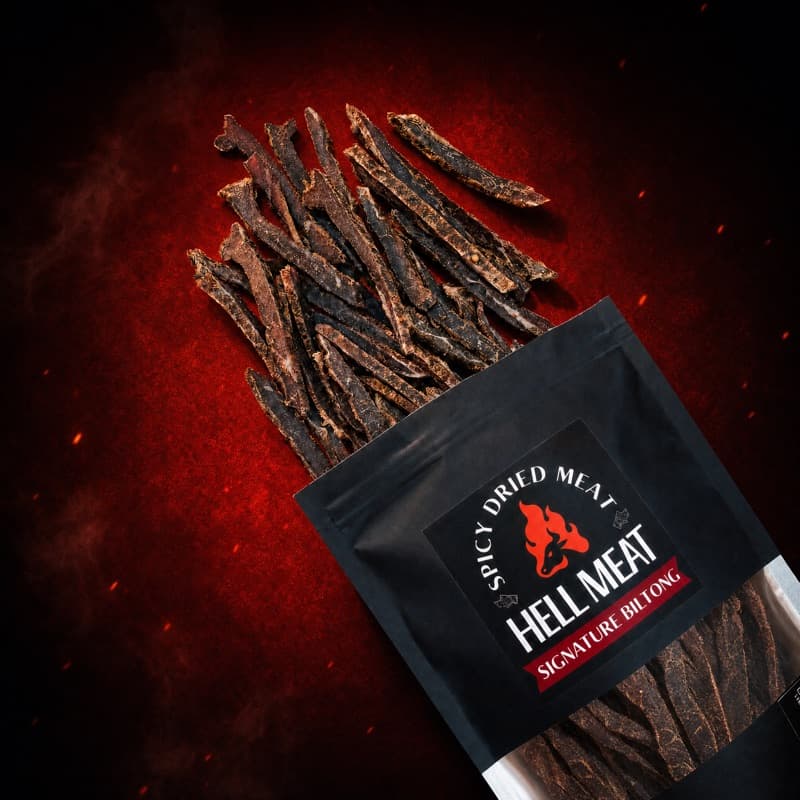
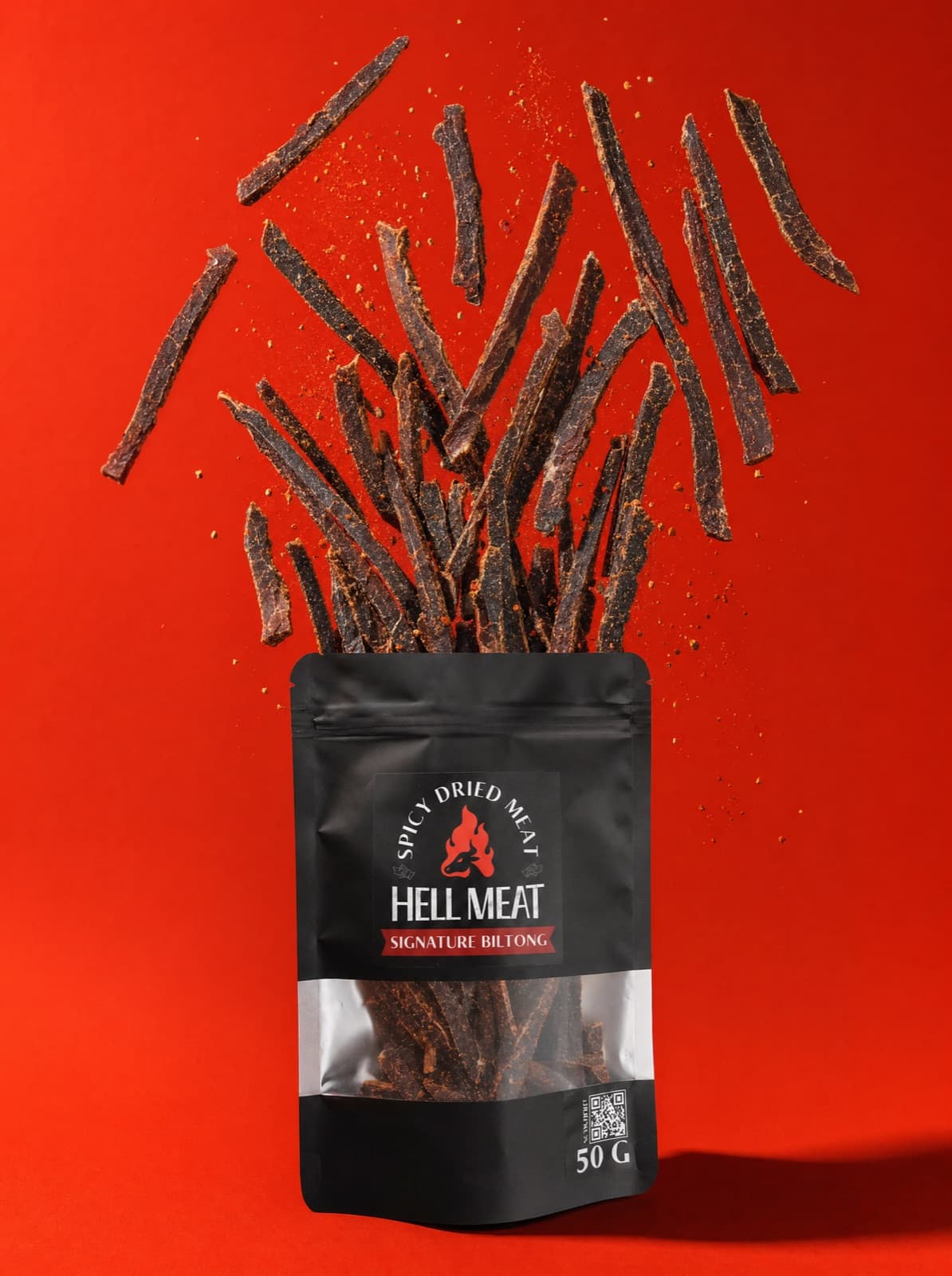
For reference, pure capsaicin sits around 16 million SHU, the effective ceiling of the whole scale. That is why even a trace of Reaper transforms a dish: you are working with a pepper that is a meaningful fraction of pure heat. The Reaper is exactly why our Signature Heat line hits the way it does, and we go deep on the chili itself in the Carolina Reaper explained.
What Scoville numbers mean when you actually eat
Here is the catch the scale does not show: SHU measures concentration, not dose. A pepper's rating tells you how hot the chili is gram for gram, but what you feel depends on how much of it ends up in your food and how it is balanced against fat, salt, and acid. A tiny amount of a 1.5 million SHU chili, folded into a well-seasoned cure, delivers a controlled, building heat rather than a raw blast.
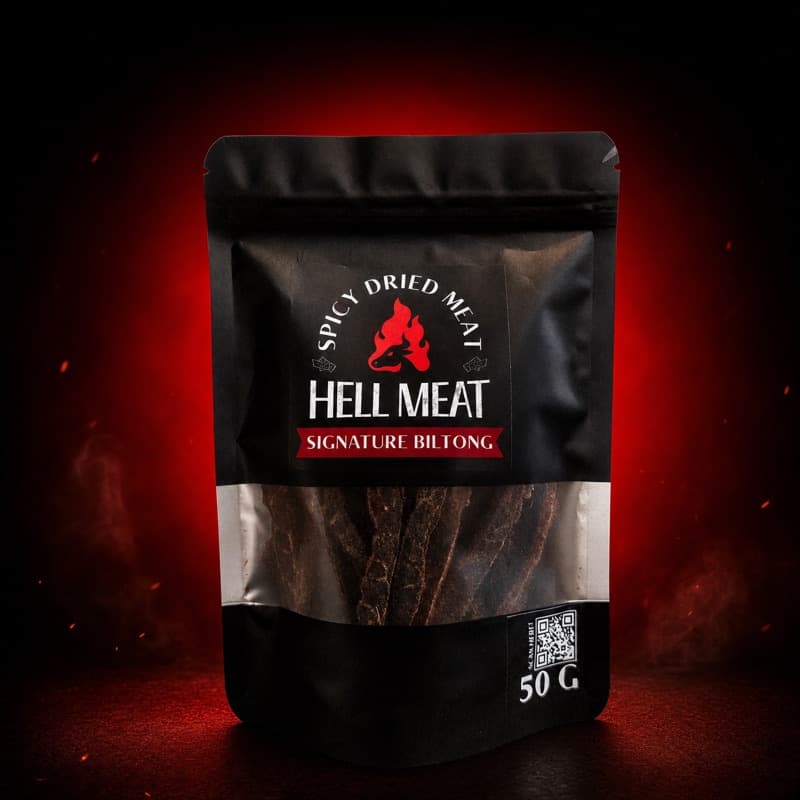
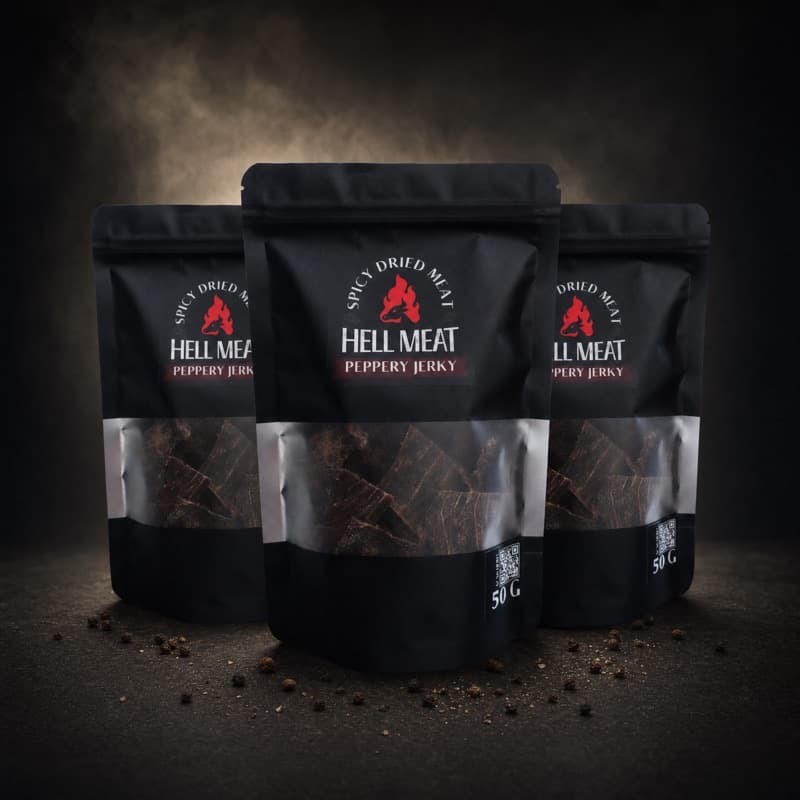
That is the thinking behind our range. Peppery Jerky sits at the mild, black-pepper end for everyday snacking, while Signature Heat carries real Reaper for people who want the top of the scale in a clean, high-protein form. If you want to see how it stacks up against the field, we round up the spiciest snacks in Thailand.
Reading the scale like a pro
You do not need to memorise numbers. Just remember the shape of it: zero for sweet peppers, low thousands for jalapeño-level warmth, tens of thousands for serious Thai heat, six figures for habanero territory, and seven figures for the superhots. Once you can place a chili on that ladder, you can predict how a dish will hit and pick your heat on purpose.
The Scoville scale turns "is this spicy?" into a number you can trust. If you are ready to find your own place on it, try Signature Heat and taste where over 1.5 million SHU actually lands. Start mild if you need to, because the ladder only goes up from there.