Extreme heat is a thrill. The Carolina Reaper in Hell Meat Signature Heat clears over 1.5 million Scoville Heat Units, and chasing that burn is half the fun. But if you want to eat spicy food safely, a little strategy goes a long way. The burn is real, most of the risk is avoidable, and knowing the difference is what lets you enjoy the ride instead of regretting it an hour later.
How to eat spicy food safely: the ground rules
Most bad experiences with super-hot food come from a handful of avoidable mistakes, not from the chili itself. Get these basics right and you take the drama out of the burn.
- Never start on an empty stomach. Food in your stomach buffers the heat and slows how fast capsaicin hits. A few bites of something neutral first makes a big difference.
- Keep dairy within reach. Whole milk, yogurt, or a lassi should be on the table before you take the first bite, not fetched mid-panic.
- Pace yourself. Heat builds and lingers. The pod you can barely feel at second five can be overwhelming at second sixty. Wait between bites.
- Know your ceiling and respect it. There is no prize for pushing past real pain. Backing off is a skill, not a failure.
What extreme heat actually does to your body
The burn is a trick. Capsaicin, the compound that makes chilies hot, binds to a receptor called TRPV1 that also responds to actual heat. Your brain reads the signal as burning even though nothing is being damaged at the levels you get from food. That is why you sweat, your eyes water, and your nose runs while the meal itself stays perfectly safe.
For most healthy people, snack-sized heat causes discomfort, not injury. It can also feel genuinely good: the body often responds to the "false alarm" with a rush of endorphins, which is a big part of why chili-heads keep coming back. If you want to understand exactly what you are working with in a Signature Heat pack, our breakdown of what makes the Carolina Reaper the world's hottest chili puts the numbers in context. The takeaway: respect it, but you do not need to fear a reasonable portion.
The mistakes that make it worse
Some instincts are exactly wrong when your mouth is on fire.
- Chugging water. Capsaicin is oil-based, so water just spreads it around and can make the burn feel bigger. There are far better fixes, which we cover in our guide to cooling down a burning mouth.
- Touching your face, eyes, or contacts. Capsaicin transfers on your fingers and stays active for a long time. Wash your hands with soap after handling anything very hot, and keep them away from your eyes.
- Mixing extreme heat with a lot of alcohol. Alcohol does not cool the burn and can loosen your judgment about how much you can handle.
- Treating a snack like a stunt. Eating a whole raw Reaper pod on a dare is a completely different activity from enjoying spice-forward biltong. Challenge-eating is where people get hurt. Snack-level heat, eaten at a normal pace, is not that.
When to slow down, and when it is more than heat
Learning to read your own body is the whole game. Sweating, hiccups, a running nose, and watering eyes are normal and pass quickly. That is your cue to slow down, not to prove a point.
A few symptoms are worth taking seriously. Persistent stomach pain, repeated vomiting, chest pain that does not fade with the heat, or any real trouble breathing are signals to stop and, if they do not settle, to seek medical help. People who live with acid reflux, ulcers, or a sensitive gut may find that very spicy food aggravates their symptoms. None of this means you cannot enjoy heat, but if you have a condition like that, it is worth a conversation with your doctor rather than a guess.
One honest note on the product itself: Signature Heat is a salted, cured biltong, so it carries sodium along with the chili. Treat it as the protein snack it is, enjoyed in sensible portions, rather than something to eat by the fistful.
Build up instead of forcing it
The best way to eat spicy food safely over the long run is to raise your tolerance on purpose instead of jumping straight to the deep end. Tolerance is trainable, and it climbs faster than most people expect when you are consistent.
A simple on-ramp:
| Stage | What to reach for |
|---|---|
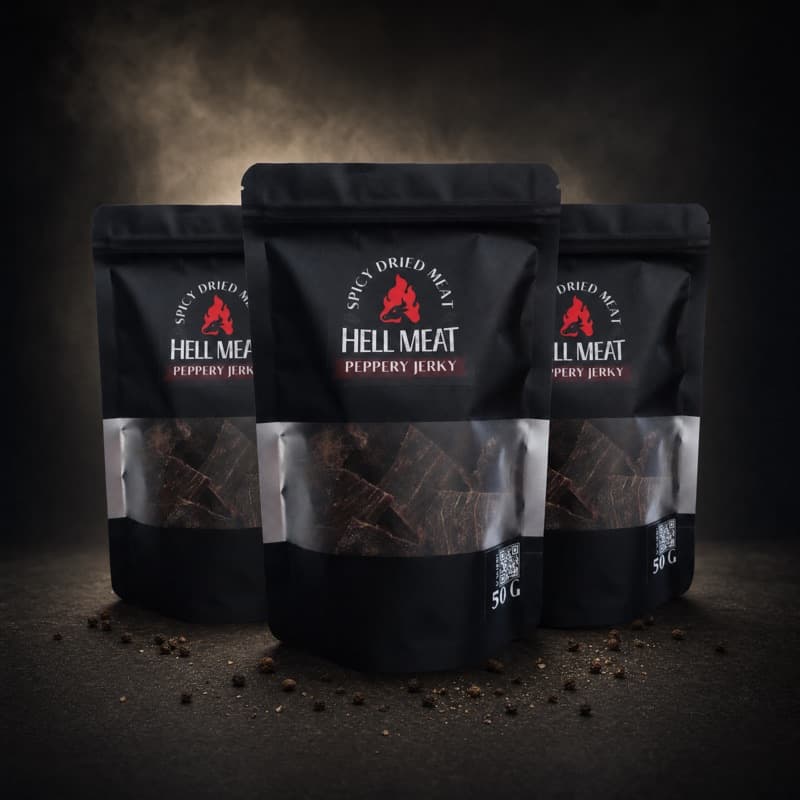
| Warm-up | Peppery Jerky, black pepper heat, no chili burn |
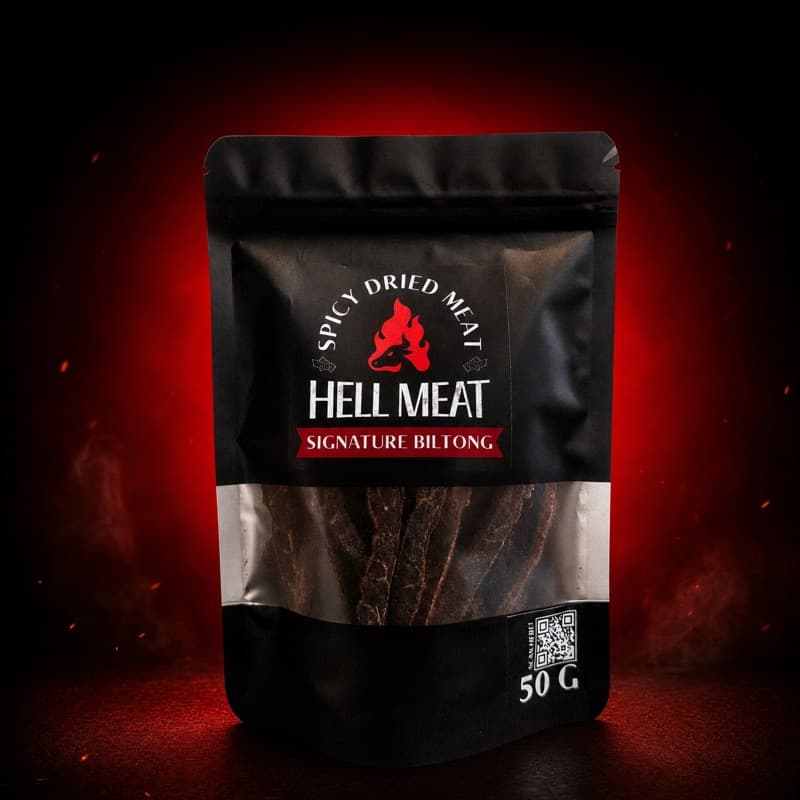
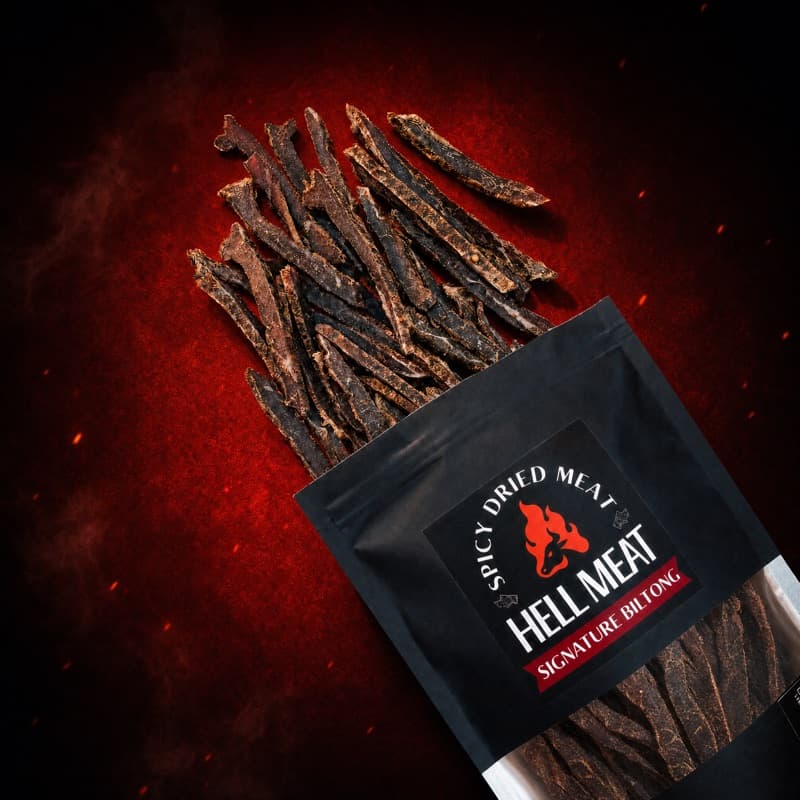
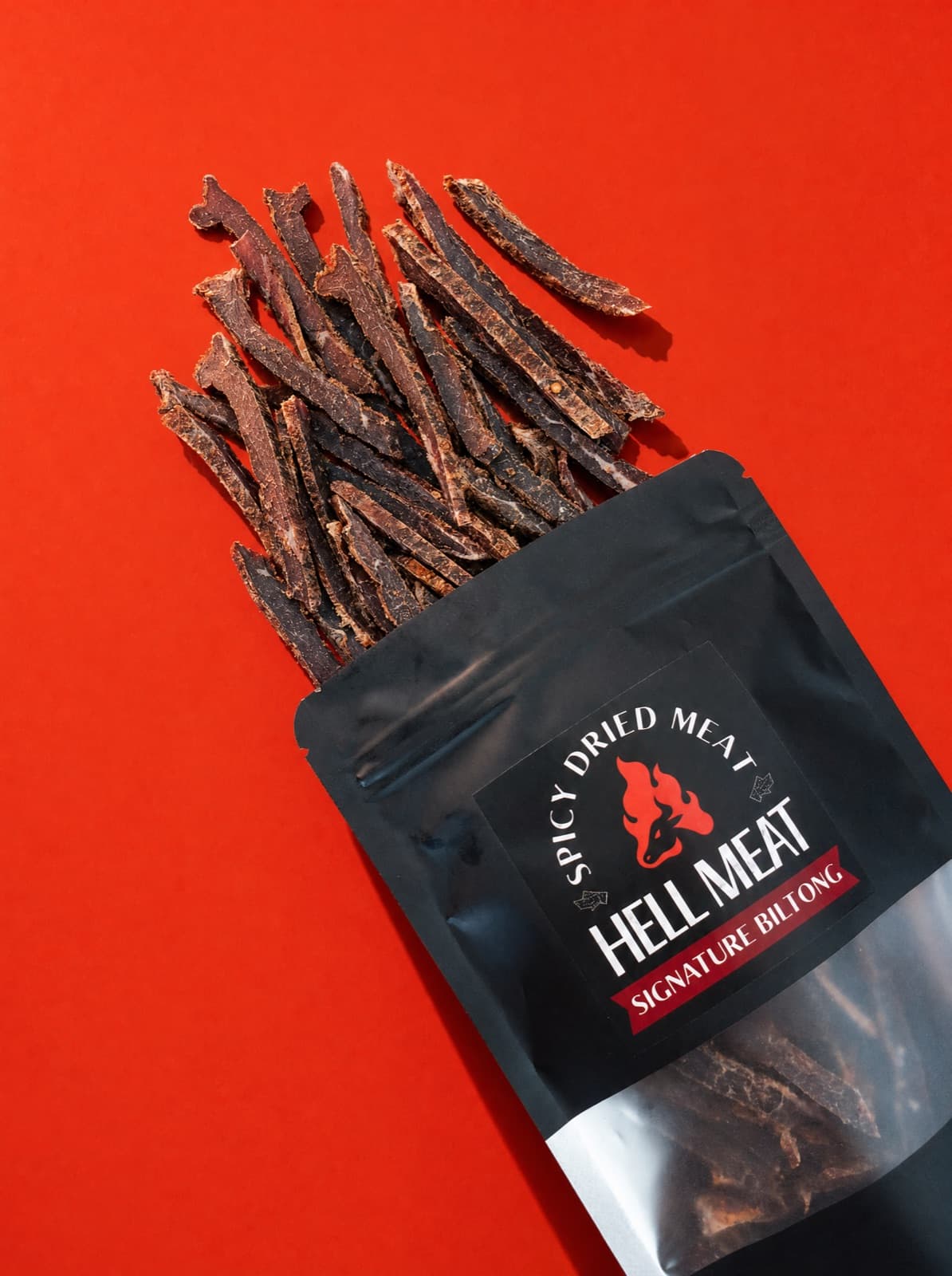
| Middle | Small bites of Signature Heat, spaced out |
| Full send | Full Signature Heat portions, once the middle feels easy |
If you want a structured plan rather than trial and error, our step-by-step method for building your spice tolerance walks through how the ramp works and what actually helps along the way.
The bottom line
Super-hot food is safe to enjoy when you eat something first, keep dairy close, pace your bites, and stop when your body genuinely tells you to. The heat is a thrill precisely because your brain treats it as a challenge, not because it is doing you harm at snack levels.
Ready to test your limits the smart way? Grab a pack of Signature Heat and start where it makes sense for you, then work your way up.